If you've started searching for sober living in Toledo, you've probably seen the terms recovery housing, sober living, and halfway house used almost interchangeably. They aren't the same.
Here's the difference — and why it matters.
Halfway houses
Historically, halfway houses are tied to the criminal justice or treatment system. Stays are usually mandated, time-limited, and tightly structured. Residents are typically in the home as a step-down from incarceration or in-patient treatment.
- Often court- or treatment-referred
- Fixed length of stay
- Strict, program-driven schedules
- Funded through public agencies
Recovery housing & sober living
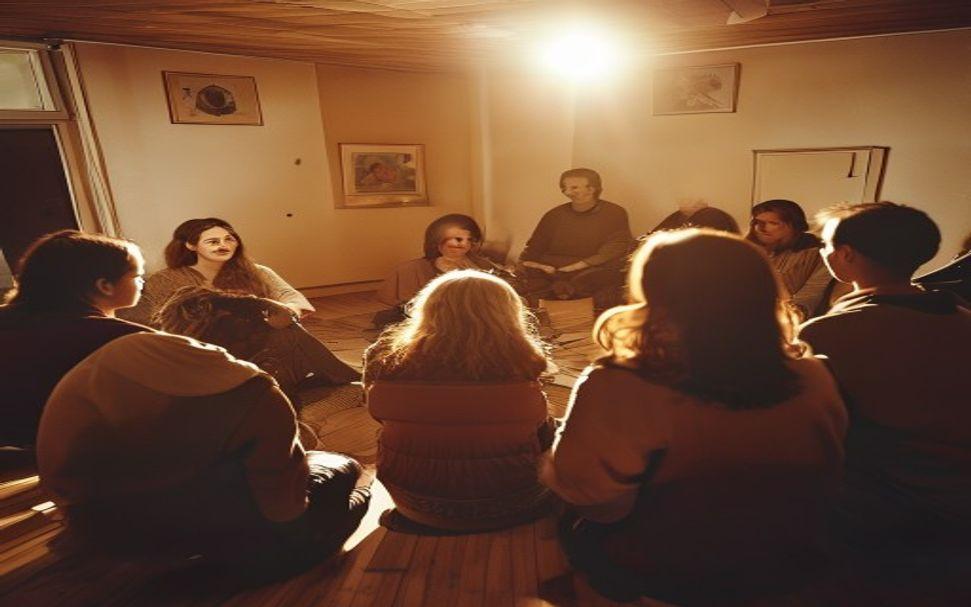
Recovery housing — like Heal Space Toledo — is voluntary, peer-driven, and community-based. Residents choose to be there, choose to stay, and participate in shaping the home culture.
- Voluntary admission
- Flexible length of stay
- Peer accountability and community structure
- Operated by non-profits and mission-driven providers (Heal Space is a 501(c)(3))
Which is right for you?
If you're transitioning out of treatment or incarceration and want a structured environment to rebuild employment, savings, and family connections, recovery housing is usually the better fit. It treats you as an adult building a life — not a participant in a program.
If you're early in your decision and want to talk it through, reach out to our Toledo team. There's no pressure and no cost to ask.
Why this matters in Toledo
Toledo and Lucas County have a long history of supporting people in recovery. The community that surrounds you matters as much as the roof over your head. Recovery housing puts that community at the center.
FAQ
Is sober living the same as recovery housing? Functionally, yes. Sober living is the more common consumer term; recovery housing is the policy and industry term. Both describe a structured, peer-supported, drug-and-alcohol-free home.
Does Heal Space accept court-referred residents? We review each application individually. Many residents are working through court, probation, or treatment requirements.
Is recovery housing covered by insurance? Recovery housing is generally not a clinical service and is paid out of pocket or through community partnerships. Reach out — we'll help you understand your options.